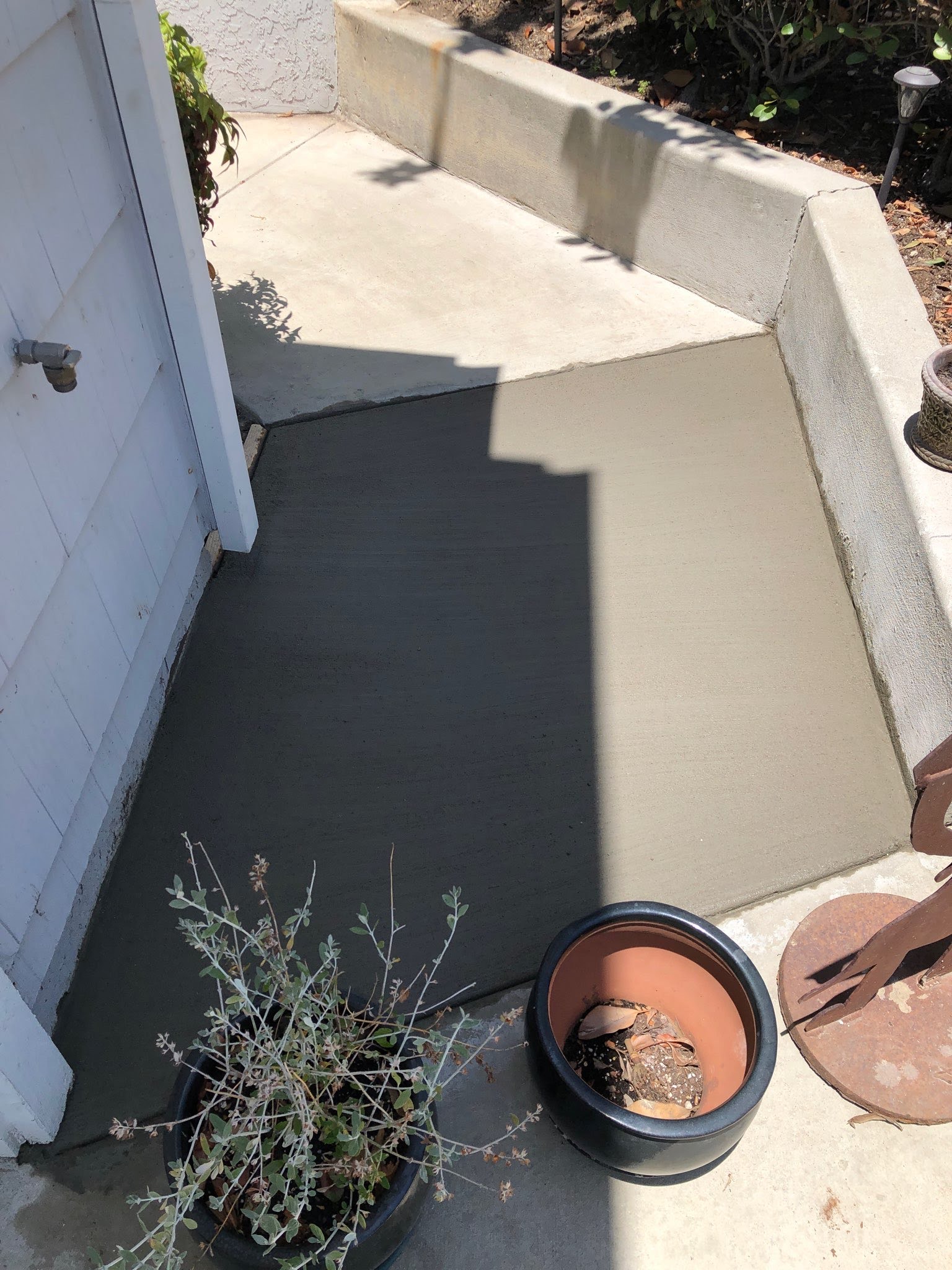
Concrete closure is a one-way milestone. Once the opening is filled, pipes, conduit, base conditions, and trade work may no longer be visible. A useful checkpoint identifies what was done, what evidence exists, and who can release the area.
Start with the reason for access
Record the location, original complaint or improvement, trade that requested access, and approved work tied to the opening. Separate that record from assumptions discovered later. A plumber replacing a known line and an electrician routing conduit need different completion evidence. The concrete crew should receive a written handoff rather than decide whether concealed work appears finished. If the route or opening differs from the plan, resolve that change before closure.
Build the release list
Name the responsible person for each applicable release: trade completion, testing, inspection, engineering direction, product decision, and permission to cover. Not every job needs every item. Show completed, pending, not applicable, and assigned elsewhere instead of one vague “ready” box. A permit card, invoice, photo, or verbal update proves only what it covers. Keep the opening available until the required project-specific releases are documented.
Photograph context before it disappears
Take a wide view identifying the area, then closer views of the opening, installed work, edges, penetrations, and visible base. Label location and stage. Photographs support communication; they do not establish concealed performance, compaction, code compliance, or whole-system condition. Link trade records to the same location. Exclude addresses, access details, technical vulnerabilities, and private documents from any later public example.
Mark closure and adjacent boundaries
The access cut may not be the final removal limit. Mark retained joints, reviewed edges, drains, walls, thresholds, coatings, flooring, landscape, and travel routes. State who handles base preparation, placement, joints, texture, curing protection, and every adjoining finish. If removal exposes a weak edge, void, moisture, or different assembly, use the written change point rather than quietly widening work.
Issue the pre-placement record
Identify the opening, trade release, outstanding items, approved boundary, retained access points, verified penetrations, placement assumptions, finish, protection area, contact, and change rule. Give the owner one place to see whether closure is authorized. Avoid claiming an inaccessible system is safe, compliant, or complete beyond the qualified evidence supplied. On placement day, compare that record with the visible opening and ask whether another trade still needs access. Reconfirm the protected route, expected finish, and person who can answer a change. Revisit an earlier release if the opening or installed work changed.
Pre-closure checklist
- Location or opening ID
- ________________
- Observed or documented fact
- ________________
- Responsible party
- ________________
- Current status
- ________________
- Approval or next step
- ________________
- Photo or record reference
- ________________
Before approval
Authorize closure only after the responsible releases, marked boundary, finish responsibility, and changed-condition contact are current and available to the field team.
- Opening and work order
- Responsible trade
- Required releases
- Stage photos
- Repair boundary
- Retained access
- Finish
- Change contact
Common question
Does completed utility work authorize closure?+
No. Identify who releases the opening and which records or decisions must be complete.
Does a photo prove concealed work is correct?+
No. It documents a visible stage and belongs with responsible trade records.
Related AWC context
Behind AWC: The Part of Contracting You Don't Usually See
Scope boundaries, coordination, documentation, and closeout.
Running conduit to kitchen island #concrete
A visible example of why a utility route and concrete restoration boundary should be coordinated; not a tutorial or another property claim.